
Para quienes estamos en contacto con trabajo relacionado directa o indirectamente con niños, siguiendo la filosofía y pedagogía que nos dejó María Montessori, reconocemos que junto con el niño (al que como adultos es nuestra tarea principal seguir), hay dos componentes muy importantes que influyen en el desarrollo del niño: el ambiente y el/la guía.
Cada componente de esta triada, juega un papel clave a lo largo del crecimiento de los niños. Podríamos decir que cada uno tiene un rol de liderazgo importante en la vida del niño.
Enfocados en este tema, los panelistas del evento Percepciones de Liderazgo A Través de Lentes Montessori, fueron invitados a compartir sus perspectivas con nosotros.
El 9 de julio, nuestro panel se reunió para compartir sus puntos de vista acerca del liderazgo. El panel consideró lo siguiente entre otros puntos:
• Cómo influye el ambiente en esta idea de liderazgo,
• cómo no solo el niño, sino también el adulto es líder en un ambiente Montessori.
También consideraron otros puntos muy relevantes relacionados con la visión que tienen de un líder y lo que impacta en su desarrollo integral.
Estas fueron algunas de las valiosas reflexiones que los panelistas compartieron al respecto:
In English:
For those of us who directly or indirectly engage with children, following the philosophy and pedagogy left to us by Maria Montessori, we recognise that along with the child (whom it is our primary task as adults to follow), there are two very important components that influence children’s development: the environment and the guide/educator.
Each component of this triad has a key role in children’s development; each one plays an important leadership role in a child’s life.
With a focus on this aspect, the panelists of the Perceptions of Leadership Through a Montessori Lens panel event in Spanish, were invited to share their perspectives with us.
On July 9, our panel convened to discuss their views on leadership. The panel considered the following amongst other considerations:
- How the environment influences this idea of leadership,
- how not only the child but also the adult is a leader in a Montessori environment
They also considered other very relevant points related to their vision of a leader and what impacts their integral development.
These were some of the valuable reflections the panelists shared on the topic:
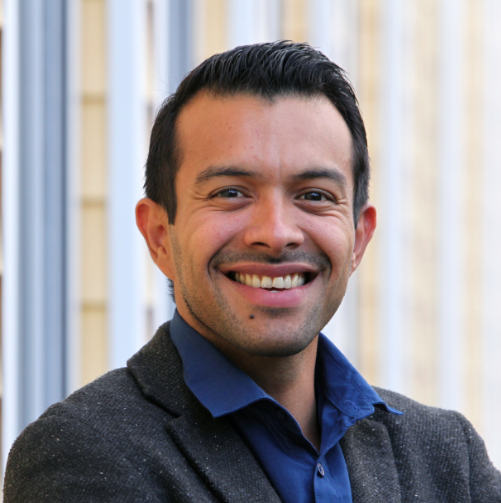
Marvin José Reyes Moreno
Andragogy Trainer and Lecturer for the Vincerola Academy in Cologne/Aachen, Germany.
- Es fundamental crear ambientes donde está bien cometer errores.
- Los y las guías son líderes que toman decisiones clave para el desarrollo de los niños, gracias al liderazgo innato que tienen.
- El ambiente es sumamente importante en el desarrollo de un niño; el ambiente es realmente un tercer maestro.
In English:
- It is essential to create environments where making mistakes is okay.
- Guides / educators are leaders who make key decisions for the children’s development, thanks to the innate leadership they (educators) possess.
- The environment is extremely important in a child’s development; the environment is truly a third teacher.

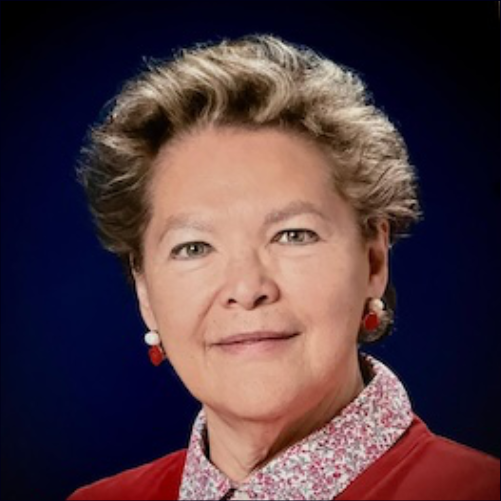
Lili Dörbecker
Formadora de Guías Montessori, Directora de Taller Cencalli, Patrono de Casa de los Niños de Palo Solo.
- Las acciones son órdenes silenciosas.
- Las decisiones de un líder, deben deribar de las necesidades del grupo / comunidad.
- La principal misión del adulto es crear ambientes. Hace falta observación para crear ambientes que tengan un propósito; un para qué.
In English:
- Actions are silent orders.
- A leader’s decisions should stem from the needs of the group/community.
- The main mission of the adult is to create environments. Observation is needed to create environments that have a purpose; a ‘why’.
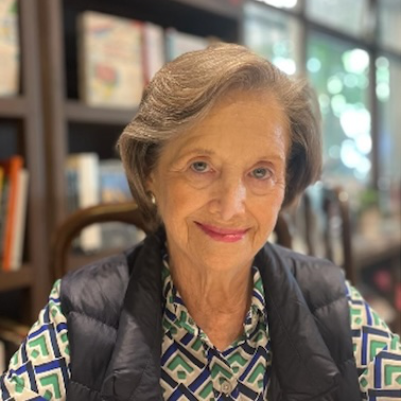
Julie Rivera Río
Presidenta del Patronato y directora de la Escuela Casa de los Niños de Palo Solo.
- Liderazgo es cooperar, acompañar, conocer a las personas para etender qué se necesita.
- Uno de los aspectos más especiales de ser líder, es ayudar a las personas a que se maravillen de las cosas.
- El liderazgo se va dando con el tiempo. Ni estudiamos para líderes, ni nacemos líderes.
In English:
- Leadership is about cooperating, accompanying, and knowing people to understand what is needed.
- One of the most special aspects of being a leader is helping people to marvel at things.
- Leadership develops over time. We neither study to be leaders nor are we born leaders.

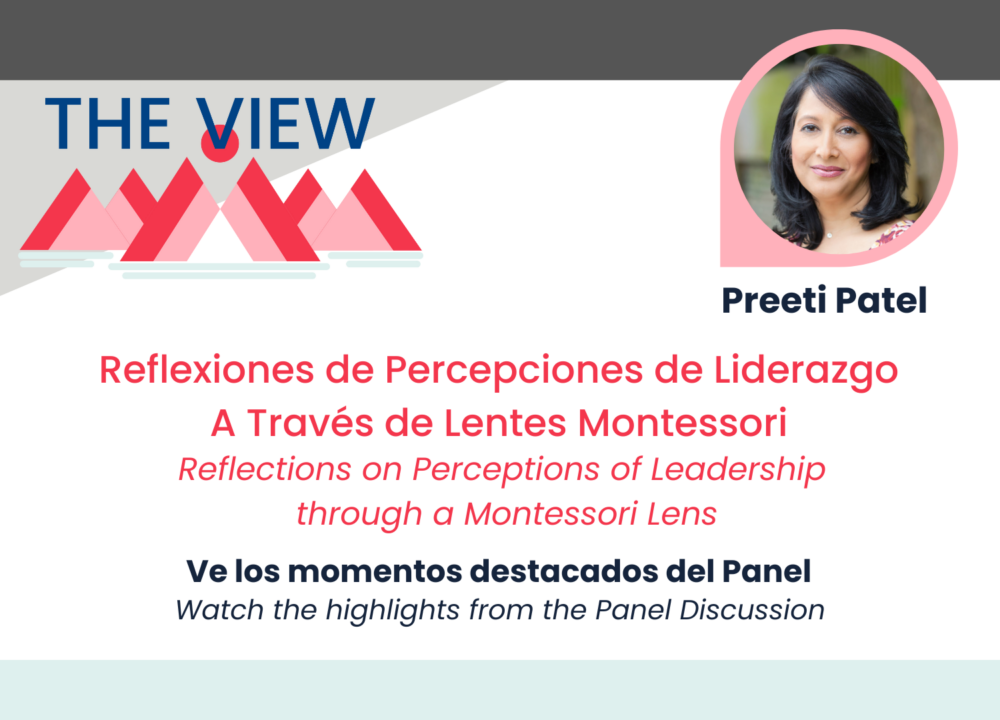
Preeti Patel
Director of Education & Community – Montessori Global Education
- Necesitamos modelar los valores que queremos ver en los niños. Es a través de la observación, que podemos trabajar con los niños, quienes son realmente los líderes del futuro.
- Como líderes, es necesario ser observadores, reflexivos y escuchar.
- El niño es nuestro líder y nos guía a tomar las mejores decisiones para su aprendizaje.
In English:
- We need to model the values we want to see in the children. It is through observation that we can work with the children, who are really the leaders of the future.
- As leaders, it is necessary to listen, be observant, and reflective.
- The child is our leader and guides us to make the best decisions for their learning.

Andrea García Herrera
Montessori Early Years Educator
- Mantenerse con una mentalidad de aprendíz, nos da la humildad necesaria para que otros nos puedan enseñar.
- Ser curiosos y hacer preguntas autorreflexivas es parte del modelo a a seguir que puede ayudar a los niños y a cualquier individuo en su proceso de desarrollo de liderazgo.
- La humildad es una de las cualidades más importates para impactar nuestras vidas y las de otros.
In English:
- Maintaining a learner’s mindset gives us the necessary humility to allow others to teach us.
- Being curious and asking self-reflective questions is part of the role modeling that can help children and any individual in their leadership development process.
- Humility is one of the most special qualities to impact our lives and those of others.
Estas reflexiones invitaron a los asistentes a compartir sus pensamientos personales acerca del liderazgo.
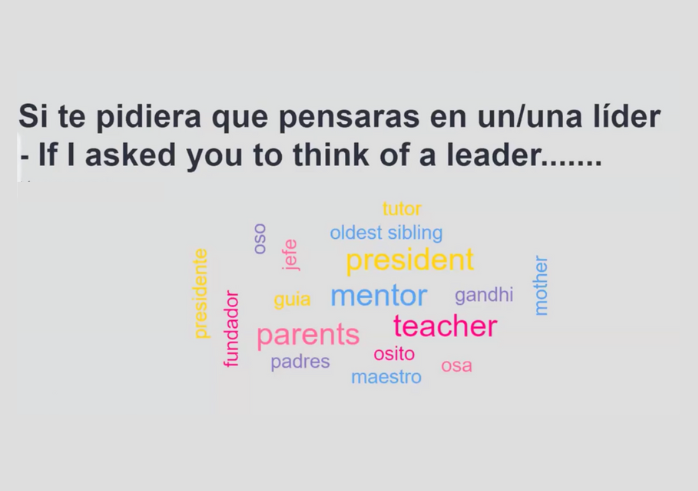
Al inicio y al final de la conversación, hicimos la misma pregunta: Si te pidiera que pensaras en un líder, ¿quién vendría a tu mente?
In English:
These reflections invited the attendees to share their own individual thoughts about leadership.
At the beginning and end of the conversation, we asked the same question: If I asked you to think of a leader, who would come to your mind?
Las respuestas al inicio incluían: presidente, hermano mayor, madre, padres…
The responses at the beginning included: boss, parents, founder, guides.
Las respuestas al final incluían: “yo”, los niños, la comunidad
The responses after the discussion included: me, children, siblings
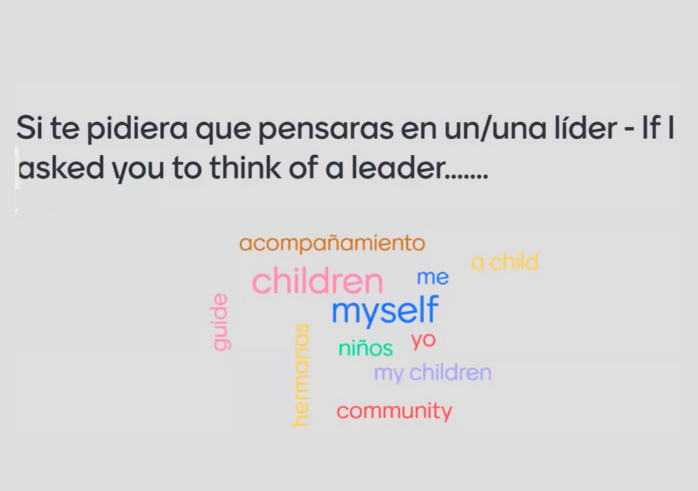
La discusión durante el panel, resaltó cómo el concepto de liderazgo no solo aplica a las personas con un “título” o un rol en específico, sino que también a cada individuo, niño, niña o adulto, para influir positivamente en su entorno.
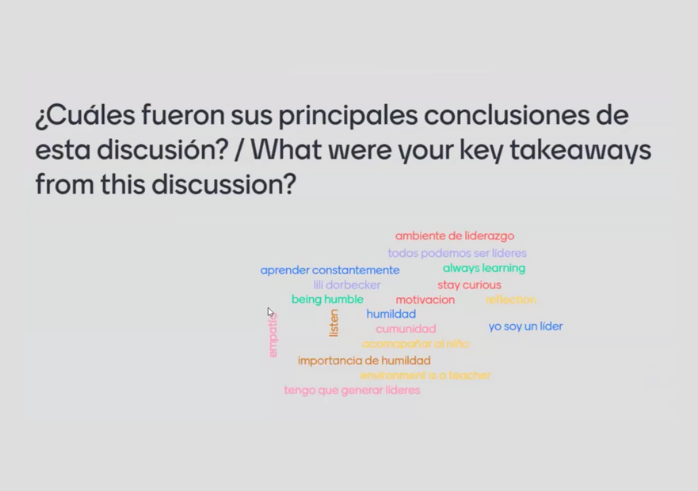
Al finalizar el evento, preguntamos a la audiencia sus principales conclusiones. Sus respuestas incluyeron: siempre aprendiendo, ser humildes, mantenerse curiosos, el ambiente es un maestro.
In English:
The panel discussion highlighted that the concept of leadership not just applicable to individuals with a “title” or a specific role but rather it also applies to everyone, child or adult, to positively influence their environment.
At the conclusion of the panel discussion we asked our attendees to share their main takeaways; their responses included the following: we all can be leaders, I am a leader, I need to create more leaders, support children.
Un aspecto clave que fue muy mecionado durante la discusión:
- Tanto el ambiente cuidadosamente preparado, como la guía o el adulto atento y respetuoso, son fundamentales para cultivar el potencial de liderazgo innato en cada niño o en cada individuo.
Esperamos que esta comprensión más profunda del término liderazgo nos invite a seguir reflexionando y considerar cómo podemos continuar creando y promoviendo espacios que fomenten la independencia, la responsabilidad y el respeto mutuo,ya que estos son los tres elementos esenciales para el desarrollo integral de los líderes del futuro y de todos los individuos en general.
In English:
One key aspect was highlighted throughout the discussion:
- Both the carefully prepared environment and the attentive and respectful guide or adult are fundamental to cultivating the innate leadership potential in each child or individual.
We hope that this deeper understanding of the term leadership will encourage us all to continue to reflect and consider how we could continue to create and promote spaces that foster independence, responsibility, and mutual respect, as these are the three essential elements for the integral development of future leaders and all individuals in general.
Please note: the recipient will need to be a Network member and logged in to view any socially shared content.